
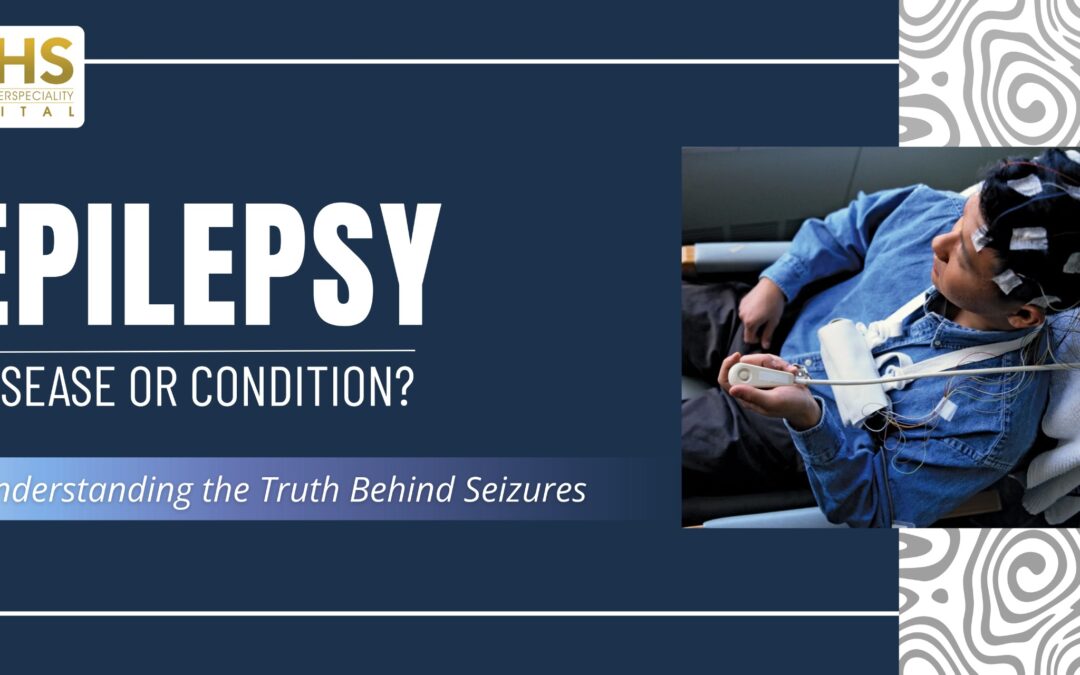
Epilepsy is often misunderstood, surrounded by myths and confusion. One of the most common questions people ask is: Is epilepsy a disease or a condition? The answer is not as simple as choosing one over the other. Understanding epilepsy correctly is essential for early diagnosis, proper treatment, and reducing the stigma attached to it.
What is Epilepsy?
Epilepsy is a neurological disorder that affects the brain’s electrical activity, leading to recurrent, unprovoked seizures. These seizures can vary widely—from brief moments of staring to severe convulsions.
Medically, epilepsy is considered a chronic neurological condition rather than a disease caused by infection or external factors. However, in everyday language, people may refer to it as a “disease,” which is not entirely incorrect but less precise.
Disease vs Condition: What’s the Difference?
To understand epilepsy better, let’s break this down:
- A disease usually has a specific cause, such as bacteria, viruses, or identifiable pathology.
- A condition is a broader term that refers to a state of health, which may or may not have a single identifiable cause.
Epilepsy fits more accurately into the category of a condition, because:
- It can have multiple causes (brain injury, genetics, infections, or sometimes unknown reasons).
- It is long-term and requires ongoing management rather than a one-time cure.
Why Epilepsy is Called a Neurological Condition
Epilepsy is classified under neurological conditions because it directly affects the brain. The brain works through electrical signals, and in epilepsy, these signals become disrupted, leading to seizures.
Each person’s experience with epilepsy can be different:
- Some may have rare seizures
- Others may experience frequent episodes
- Some may outgrow it, while others need lifelong care
This variability is another reason why epilepsy is better described as a condition rather than a single defined disease.
Common Causes of Epilepsy
Epilepsy does not have one single cause. Some common reasons include:
- Brain injury or trauma
- Stroke
- Brain infections such as meningitis
- Genetic factors
- Birth-related complications
- Unknown causes (in many cases)
This wide range of causes further supports the idea that epilepsy is a complex condition rather than a straightforward disease.
Symptoms You Should Not Ignore
Recognising early signs can make a significant difference. Symptoms may include:
- Recurrent seizures
- Sudden confusion
- Loss of awareness
- Uncontrolled jerking movements
- Staring spells
- Temporary loss of consciousness
If these symptoms appear repeatedly, it is important to consult an experienced neurologist without delay.
Diagnosis and Treatment
Epilepsy can be effectively managed with proper medical care. Diagnosis typically involves:
- Detailed medical history
- Brain imaging (MRI/CT scan)
- EEG (Electroencephalogram)
Treatment options include:
- Anti-epileptic medications
- Lifestyle modifications
- In some cases, surgery
With the right treatment, many patients lead completely normal and active lives.
For those searching for an Epilepsy doctor Kapurthala or an experienced neurologist in Jalandhar, expert consultation plays a crucial role in accurate diagnosis and personalised care.
You can consult Dr Sandeep Goel, a highly experienced neurologist with 27+ years of experience, known for his expertise in managing complex neurological conditions, including epilepsy.
Patients can visit the NHS Hospital Opd Centre, Kapurthala for specialised neurological consultation and advanced care.
Breaking the Stigma Around Epilepsy
One of the biggest challenges epilepsy patients face is social stigma. Many people still believe myths such as:
- Epilepsy is contagious
- It is a mental illness
- Patients cannot live normal lives
These beliefs are incorrect.
Epilepsy is a medical condition, and with proper treatment, patients can:
- Work normally
- Study successfully
- Live independently
Spreading awareness is key to building a supportive environment for those affected.
Choosing the Right Care
Access to the right healthcare facility is essential. If you are looking for the best neuro hospital Jalandhar, ensure that the hospital offers:
- Advanced diagnostic technology
- Experienced neurologists
- Emergency support
- Comprehensive patient care
Early intervention and expert guidance can significantly improve outcomes.
Conclusion
So, is epilepsy a disease or a condition?
The most accurate answer is: Epilepsy is a chronic neurological condition that may have various underlying causes and requires long-term management. While it may sometimes be referred to as a disease in general terms, medically it is better understood as a condition.
The important thing is not the label, but awareness, timely diagnosis, and proper treatment.
If you or your loved ones experience symptoms, do not ignore them. Consult a specialist and take the first step towards better neurological health.
Finding the right neuro center in Jalandhar is essential for better outcomes, especially when it provides comprehensive neurological services. For advanced treatment and expert care, visit Neurocare Center at NHS Hospital, Kapurthala Road, Jalandhar.